The Qualities of an Ideal product design company
Product Design Agency for Innovative and Functional Product Development
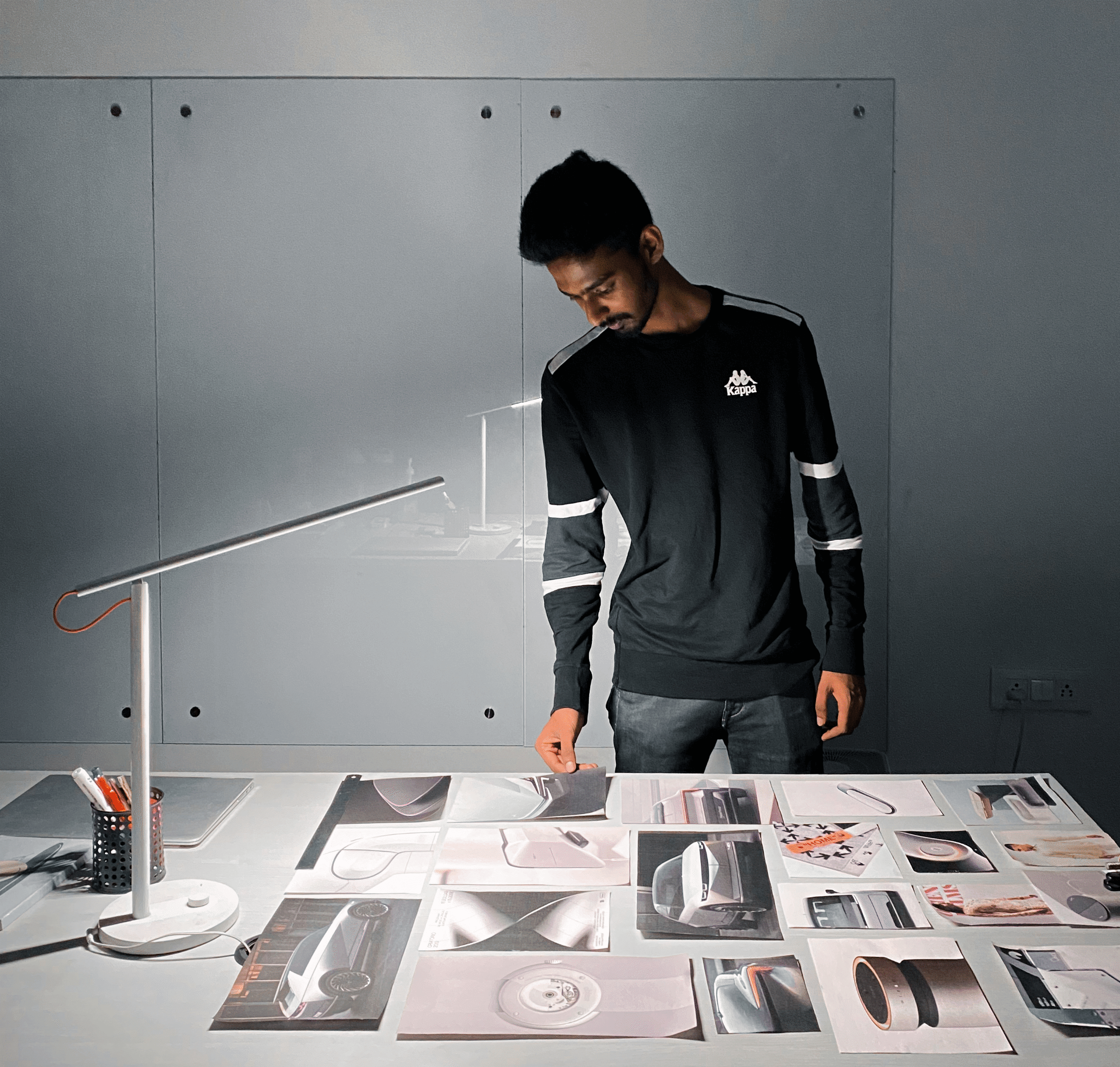
Bringing to market a well-designed physical product requires far more than an attractive concept. Businesses have to account for ease of use, engineering feasibility, materials, production methods, performance, cost and the experience of the final user. A specialist product development design agency integrates these factors through a systematic development process that converts ideas into functional product solutions. From early research and concept development to detailed engineering and preparation for production, end-to-end product development services can assist start-ups, experienced manufacturers and organisations creating new products. Partnering with an established industrial design agency can also help businesses balance appearance, functionality and manufacturability while reducing unnecessary complications during the later stages of development.
How Does a Product Design Agency Support Development?
A professional product design agency supports businesses design physical products by combining creative thinking with technical knowledge. The process may commence with a fresh concept, an existing product requiring improvement or a technical challenge that needs a practical solution. Designers and engineers evaluate the intended users, operating environment, functional requirements and business objectives before creating potential design directions.
Successful product development involves considering how the product will appear, feel and function in everyday use. Designers may assess dimensions, ergonomics, materials, mechanisms, assembly techniques and production constraints. These considerations are developed together rather than handled as isolated stages, supporting the creation of a better-integrated final product.
A capable agency can also assist businesses that have previously completed some development internally. Existing sketches, prototypes or engineering concepts can be reviewed and refined to strengthen functionality, usability or production readiness.
Exploring Professional Product Design Services
End-to-end product development services can support multiple stages of development depending on the maturity and complexity of the project. Early-stage development often focuses on understanding the problem that the product needs to solve. Research into users, competitor products, engineering requirements and market expectations can offer valuable direction before substantial resources are committed to development.
Early concept development then examines different ways of addressing the identified problem. Ideas may be visualised through sketches, 3D models and initial prototypes. Comparing alternative concepts at this stage can highlight advantages and limitations before detailed engineering begins.
As the preferred concept develops, designers can refine dimensions, surfaces, components and interactions. Prototyping and testing offer opportunities to test assumptions and identify improvements. This development approach allows important decisions to be tested rather than relying entirely on theoretical expectations.
Understanding the Role of an Industrial Design Agency
An industrial product design agency works towards creating products that combine practical functionality with a considered user experience and distinctive visual character. Industrial design influences the shape, proportions, ergonomics, controls, surfaces and overall interaction between a person and a physical product.
Appearance continues to matter because it can shape how customers interpret quality, purpose and value. However, well-executed industrial design extends beyond visual styling. Designers have to evaluate how people handle, use, clean, carry, store or maintain a product. Minor design details involving grip positions, control placement, visibility and component arrangement can considerably influence usability.
Industrial designers also design around real-world limitations. A visually ambitious concept must eventually be manufactured and used dependably. Considering production methods and material characteristics throughout development can preserve the intended design while enhancing manufacturability.
Selecting the Right Product Design Company
Identifying a product development company should include assessing more than the appearance of previous projects. Businesses can gain from reviewing how a prospective design team handles research, concept generation, engineering, prototyping, testing and manufacturing considerations.
Communication is especially important because product development regularly includes decisions between different priorities. Improving one characteristic can alter another. Lowering product weight, for example, may affect strength, materials or manufacturing costs. A collaborative design process makes these trade-offs easier to understand and allows decisions to be made with more informed judgement.
The appropriate product design company should also be able to adjust its approach to the project. A start-up developing its first physical product may benefit from extensive support across the full development journey, while an established manufacturer may require expert assistance with one particular development stage.
How an Industrial Design Company Supports Product Development
An specialist industrial design company can assist development from early concepts through to progressively detailed product specifications. This continuity can be valuable because decisions made during the early design stages often shape engineering and manufacturing later.
Material selection is one area where industrial design and engineering considerations intersect. Plastics, metals, composites and other materials have distinct properties, manufacturing requirements, finishes and cost implications. Choosing suitable materials involves understanding both the intended user experience and the functional demands placed on the product.
An industrial design company may also consider how components are assembled and how the product could be serviced during its working life. Removing unnecessary complexity can support assembly efficiency while producing a cleaner and more understandable product for users.
Why Engineering Product Design Is Important
Engineering product design transforms creative concepts into technically practical solutions. While industrial design may define the user experience, physical arrangement and visual direction, engineering examines how the product can function reliably under expected operating conditions.
Engineering considerations may include structural strength, moving mechanisms, tolerances, fasteners, component interfaces, thermal behaviour and suitable manufacturing methods. The exact requirements differ substantially according to the kind of product being developed.
Introducing product design engineering early can reduce the risk of discovering major technical limitations after substantial design work has already been completed. Designers and engineers collaborating closely can spot potential conflicts and develop solutions that preserve important design qualities while fulfilling functional requirements.
Prototyping, Testing and Production Preparation
Prototypes offer valuable information that digital models alone cannot always reveal. Depending on the development stage, prototypes may be early-stage models used to assess size and ergonomics or more advanced versions intended to test mechanisms, assembly and performance.
Testing enables the development team to identify weaknesses and optimise the design before manufacturing commitments are finalised. User feedback may indicate that controls need to be repositioned, while engineering tests may indicate that a component requires strengthening or adjustment.
Several prototype iterations may be useful for complex products. Each version can address specific product design company questions and lower uncertainty. This process helps businesses to make development decisions based on real-world evidence rather than assumptions.
Designing Products with Manufacturing in Mind
A capable product development design agency evaluates manufacturing throughout development rather than considering manufacturing as an entirely separate final stage. Manufacturing processes introduce practical requirements involving geometry, tolerances, tooling, materials and assembly.
Developing products with these factors in mind can avoid unnecessary complexity and support more efficient production. Components may be simplified, assembly steps reviewed or materials optimised while retaining the essential functionality and appearance of the product.
Co-operation between industrial designers, engineers and manufacturing specialists can therefore be highly useful. It enables a development process in which creative ideas are continuously assessed against engineering and manufacturing realities.
Final Thoughts
Creating a physical product involves careful coordination between creativity, user needs, engineering and manufacturing. An specialist product development design agency can offer well-organised product development services that take concepts through research, design, prototyping, testing and manufacturing preparation. Bringing together the creative expertise of an industrial product design agency with specialist product design engineering can enable businesses develop products that are appealing, functional and suitable for efficient manufacturing. Whether partnering with a specialist product design company or a multi-skilled industrial design company, a collaborative development approach can lower uncertainty, strengthen design decisions and establish a stronger foundation for well-managed product development.